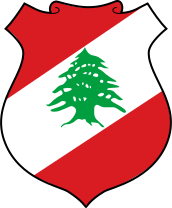
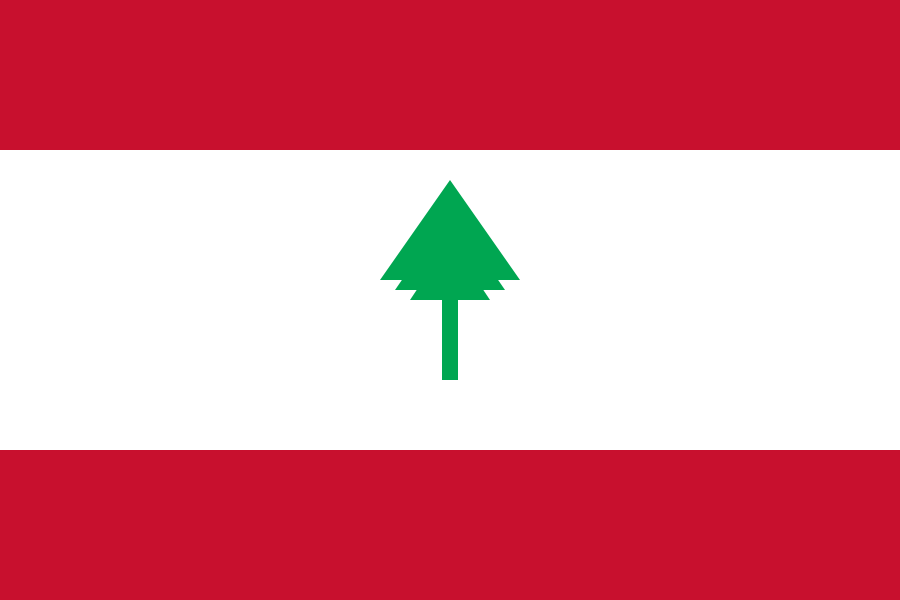
Lebanon flag ArabianCoins Network

Coins of Lebanonfrom the French Mandate piastre to the modern lira

Lebanese coinage begins under the French Mandate, when the first piastres were struck in 1924 bearing bilingual Arabic-French legends and the iconic cedar tree — a symbol that has appeared on virtually every Lebanese coin since. The early cupro-nickel and aluminum-bronze issues of the 1920s–1940s are prized for their Art Deco styling and historical context.

After independence in 1943, Lebanon continued the piastre system with increasingly modern designs. Hyperinflation during the civil war (1975–1990) rendered small denominations worthless, and the post-war coinage shifted to large lira values — 250, 500, and the distinctive bimetallic 500 livres. Lebanon's commemorative program includes FAO issues and cedar-themed pieces that remain affordable yet historically rich.
French Mandate (1924–1941)WWII Emergency (1940–1945)Republic — Piastres (1952–1986)Modern Lira (1996–present)Commemoratives
Lebanon's first coins were struck in 1924 under the French Mandate, denominated in piastres with the cedar of Lebanon on the reverse. The cedrus libani has appeared on virtually every coin since — it is one of the most consistent national symbols in world numismatics. Independence in 1943 brought new designs but kept the piastre system. The devastating civil war (1975–1990) caused hyperinflation that wiped out the value of small denominations; post-war coinage jumped to 250 and 500 lira pieces. The bimetallic 500 livres, introduced in 1996, is one of the most recognizable modern coins in the Middle East. All Lebanese coins are bilingual in Arabic and French, reflecting the country's dual cultural heritage.
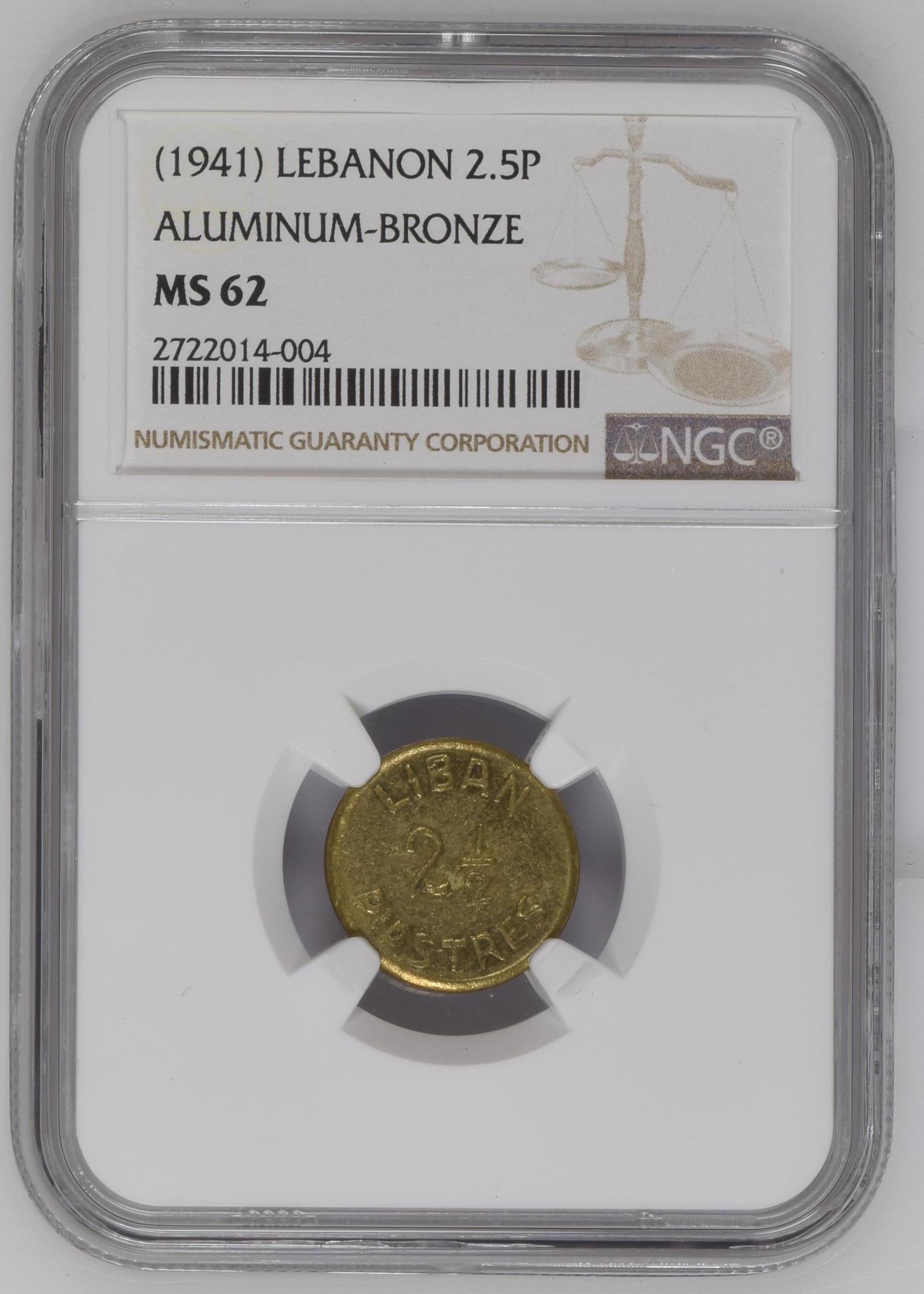
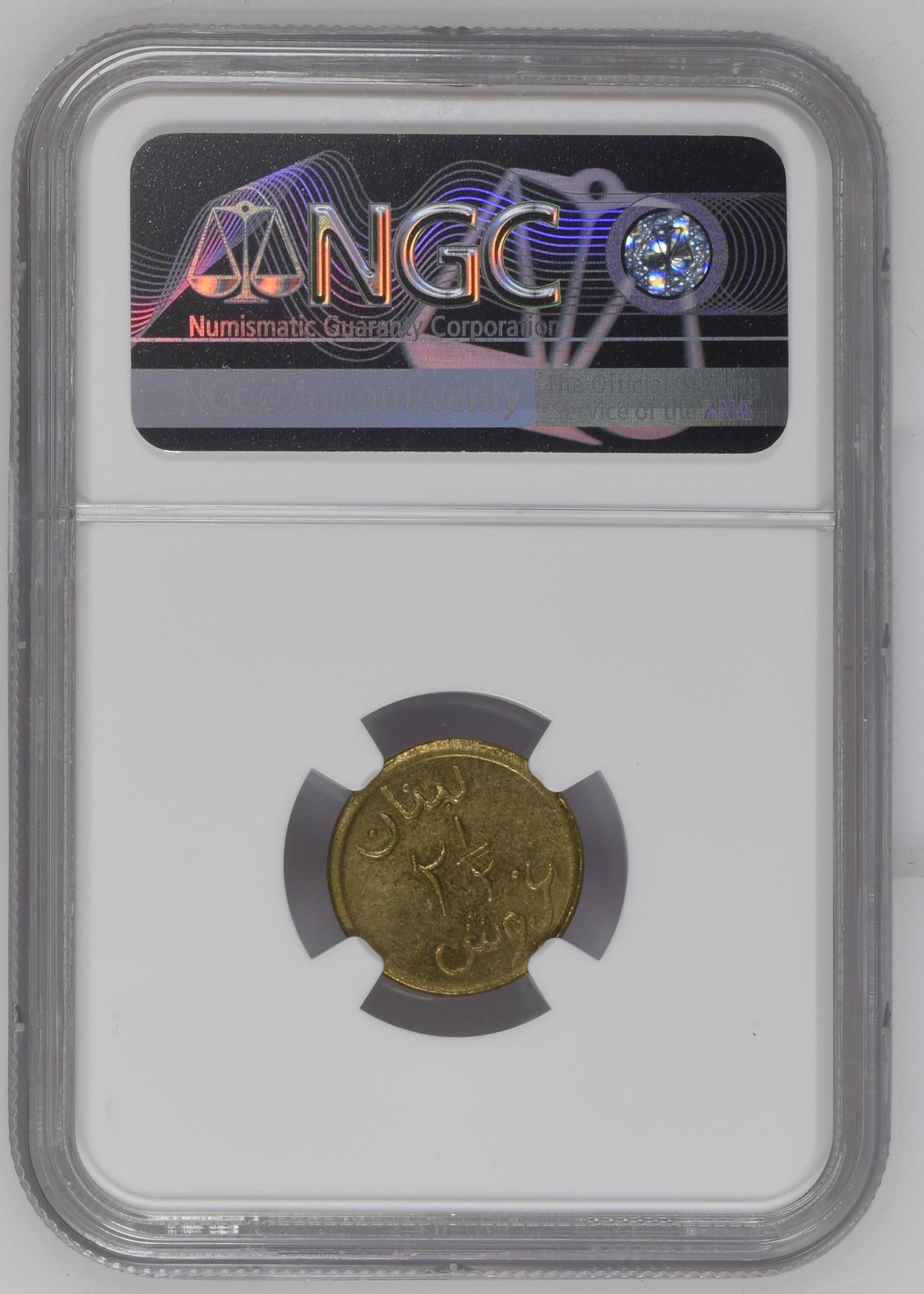
2½ Piastres 1941 obverse 2½ Piastres 1941 reverse
2½ Piastres 1941
NGC MS 62
Aluminum-bronze · French Mandate
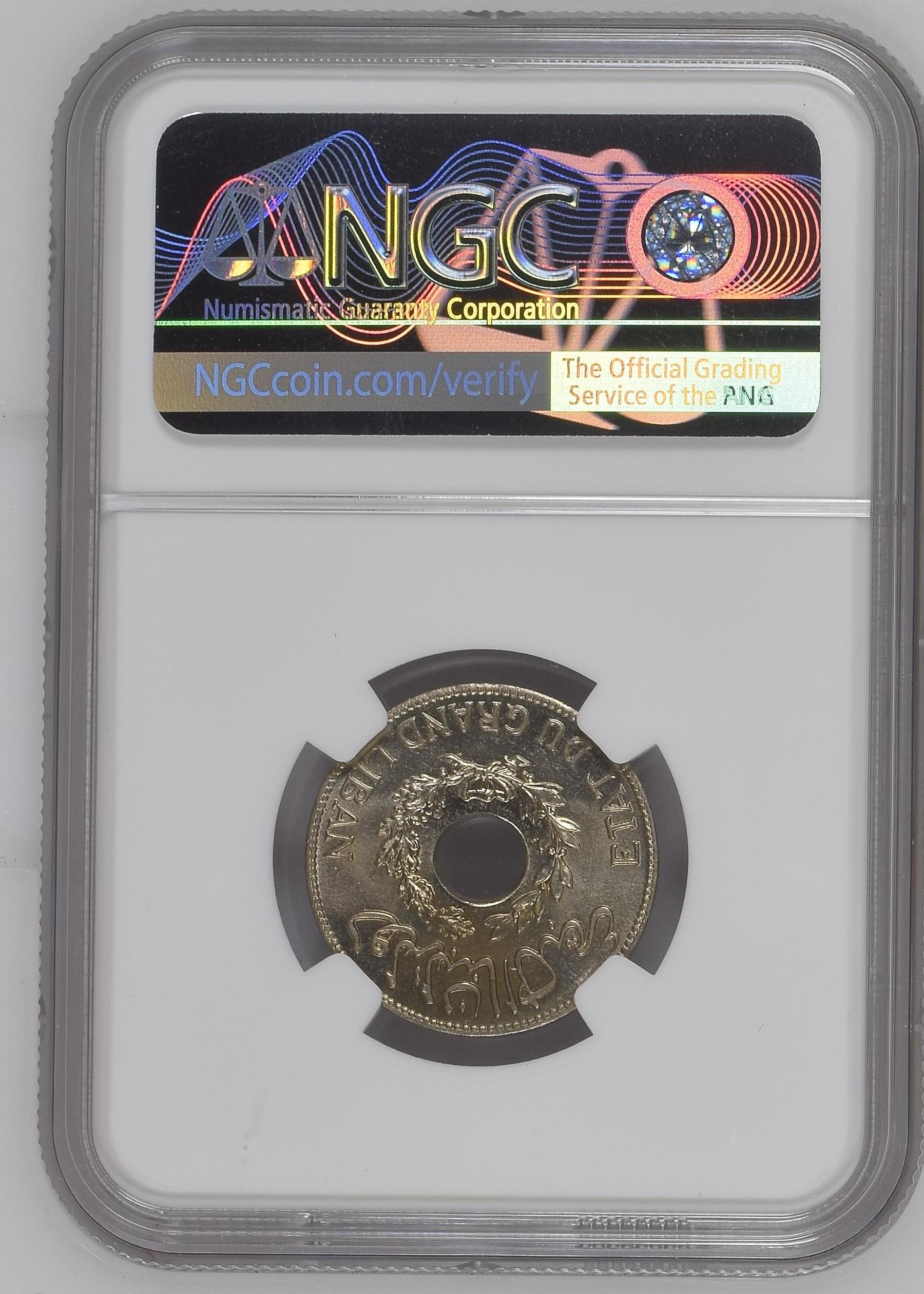
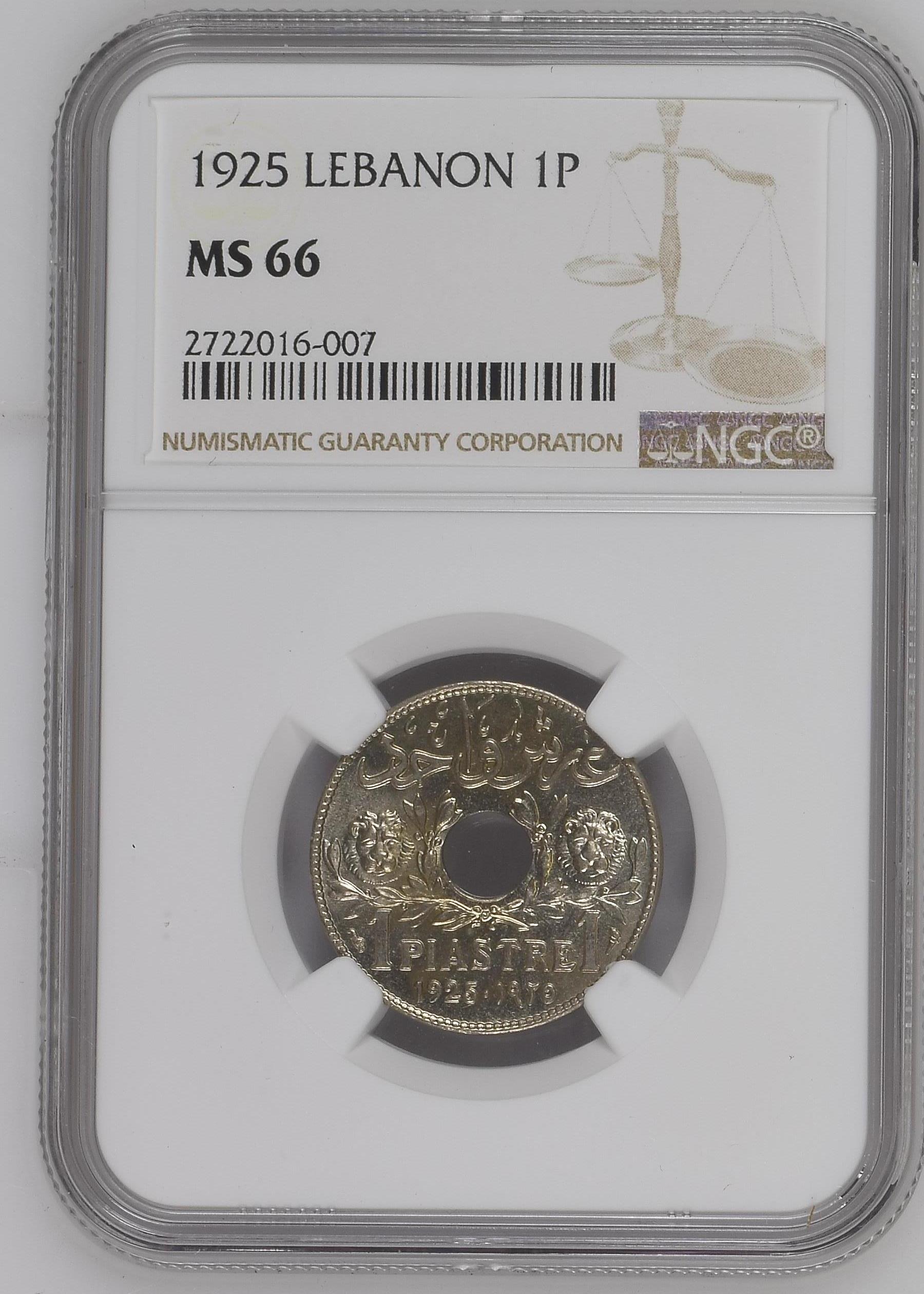
1 Piastre 1925 obverse 1 Piastre 1925 reverse
1 Piastre 1925
NGC MS 66
Copper-nickel · French Mandate
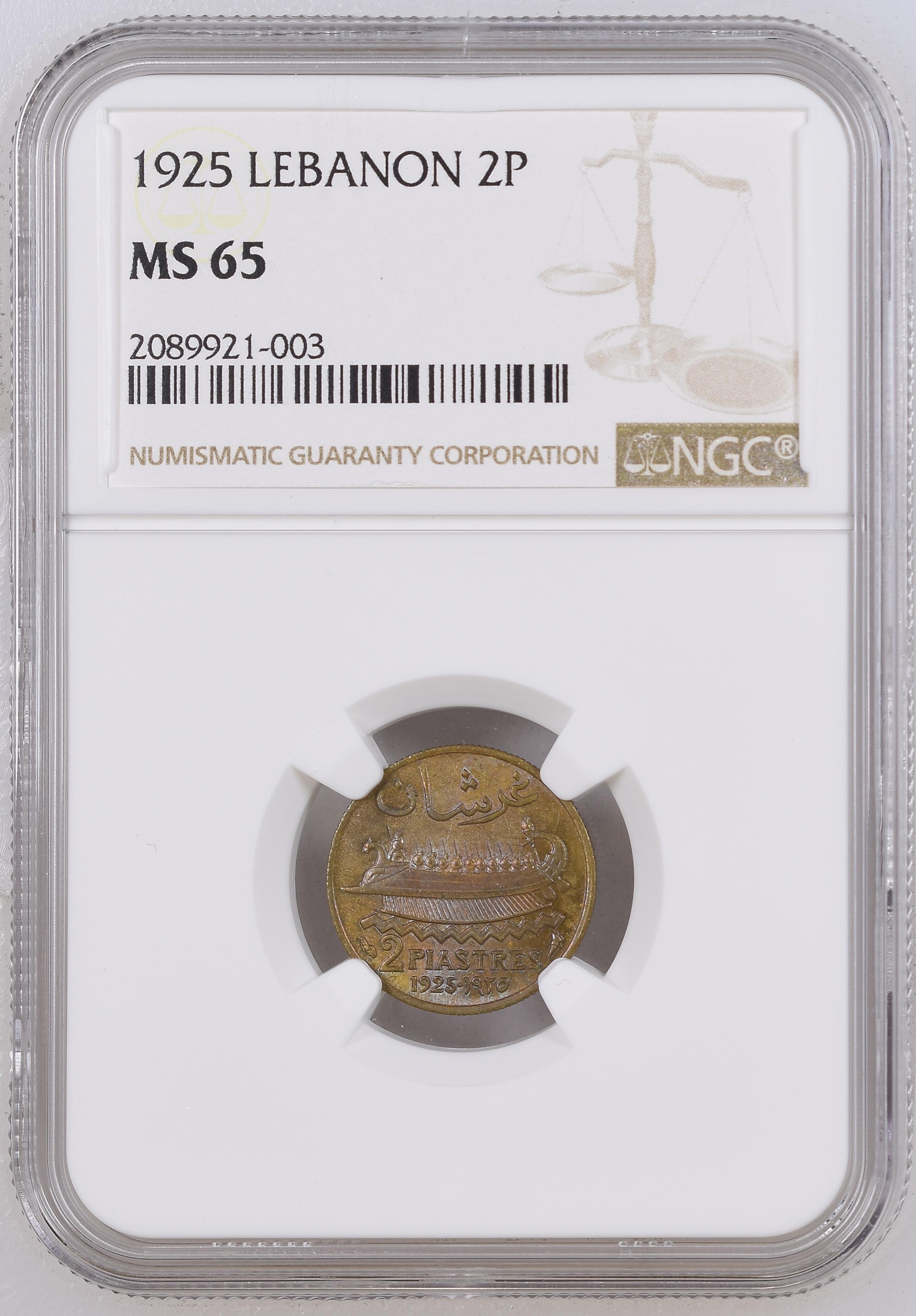
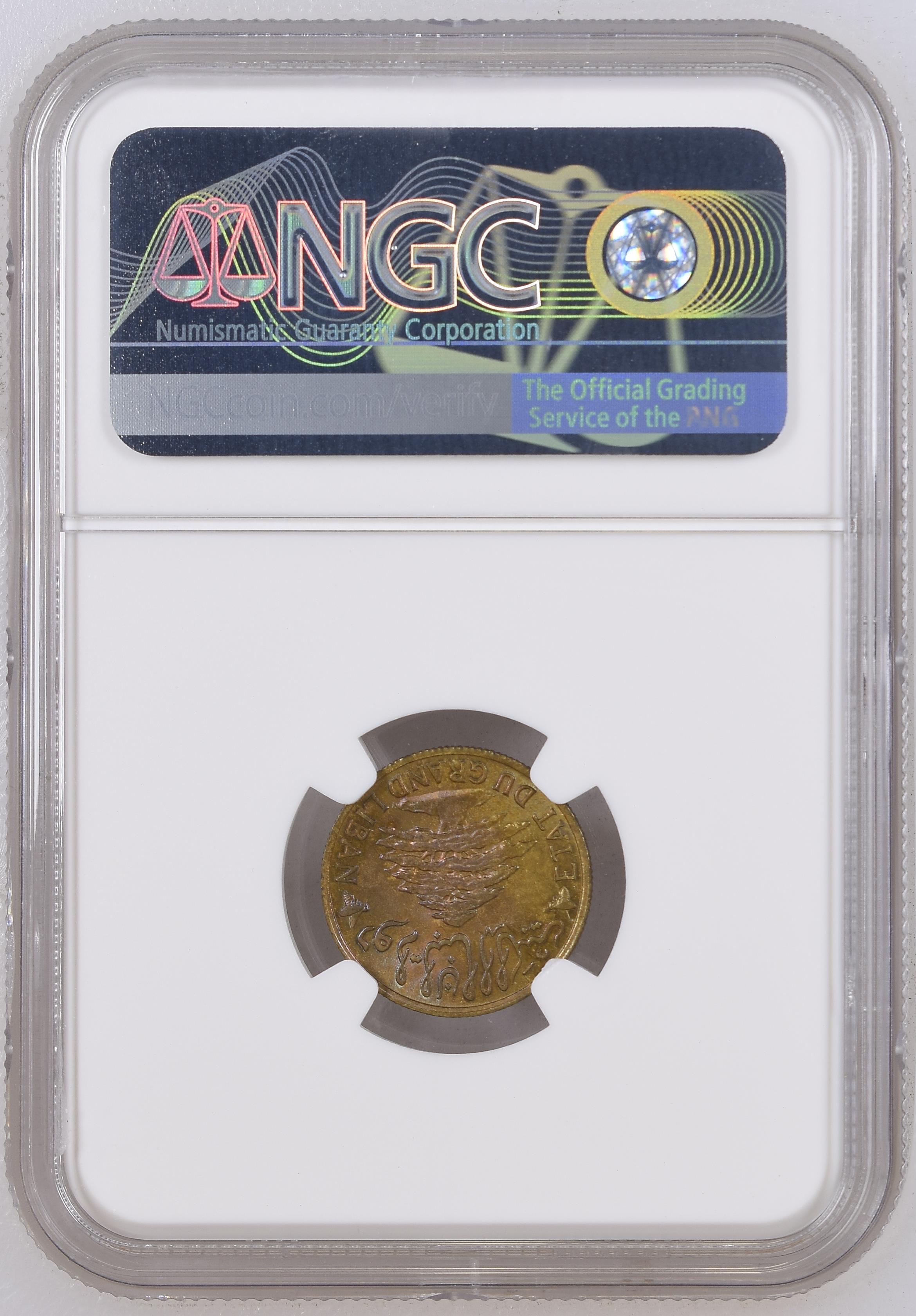
2 Piastres 1925 obverse 2 Piastres 1925 reverse
2 Piastres 1925
NGC MS 65
Copper-nickel · French Mandate
Lebanon
Your Lebanon Coin Dashboard
?+
Coin Types
4
Eras Covered
4
Albums Available

🪙 Full Catalog

Every circulation coin type from Lebanon, organized by era with Numista links.

Browse catalog →

🛒 Buy Lebanese Coins

NGC/PCGS graded coins and raw pieces from ArabianCoins.com, plus live eBay listings.

Shop inventory →

📚 Coin Albums

Purpose-built albums for Lebanon coin collections. View contents and order.

View albums →

🏆 NGC Registry

Compete with your Lebanon sets in the NGC competitive registry.

View registry →

📖 References & Links

Essential references and links for Lebanon coin collectors.

View resources →

📧 New Arrivals

Get notified when new Lebanese coins are added to inventory.

Subscribe →
Collecting Lebanon

Lebanese coinage begins under the French Mandate, when the first piastres were struck in 1924 bearing bilingual Arabic-French legends and the iconic cedar tree — a symbol that has appeared on virtually every Lebanese coin since. The early cupro-nickel and aluminum-bronze issues of the 1920s–1940s are prized for their Art Deco styling and historical context.

After independence in 1943, Lebanon continued the piastre system with increasingly modern designs. Hyperinflation during the civil war (1975–1990) rendered small denominations worthless, and the post-war coinage shifted to large lira values — 250, 500, and the distinctive bimetallic 500 livres. Lebanon's commemorative program includes FAO issues and cedar-themed pieces that remain affordable yet historically rich.
Read more about Lebanese pound on Wikipedia →

CurrencyLebanese Pound / Lira (LBP)
Unit100 piastres = 1 lira
Independence1943
CapitalBeirut